Pack Less, Feel More: How the Japanese Art of 'Ma' Can Change the Way You Travel to Nature
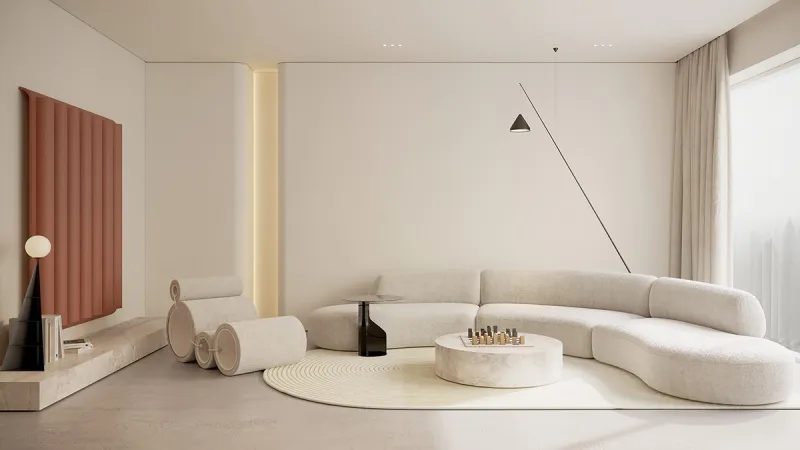
Photo: minimalist camping pack open air forest Japan aesthetic neutral tones, via www.home-designing.com
There's a particular kind of anxiety that kicks in about three days before a camping trip or retreat. You start pulling things from shelves. A second rain jacket, just in case. An extra pair of trail shoes. A portable Bluetooth speaker, a travel diffuser, five books you won't read. By the time you're zipping up your duffel, you've packed for every version of yourself except the one who actually needs rest.
This is not a packing problem. It's a presence problem.
And the Japanese have been quietly solving it for centuries.
What 'Ma' Actually Means
In Japanese aesthetics, ma (間) is often translated as "negative space" — but that definition undersells it. It's not just the empty space between things. It's the pause between musical notes that makes melody meaningful. It's the bare wall in a room that lets the single hanging scroll breathe. It's the silence in a conversation that says more than words could.
Ma is the idea that emptiness isn't absence. It's presence with room to move.
When applied to how we pack for a retreat, a camp stay, or even a weekend in the woods, ma asks a pointed question: what are you leaving space for? Not in your bag — in your experience.
American travel culture tends to run in the opposite direction. We optimize for every contingency. We bring "options." We treat packing like a logistics problem to be solved rather than an intentional act of letting go. And then we arrive somewhere beautiful, surrounded by nature, and spend the first two days feeling vaguely stressed about things we can't name.
What we've actually packed, without realizing it, is the noise.
The Retreat Bag as a Values Statement
Here's a reframe worth sitting with: your bag isn't just luggage. It's a physical expression of what you think you need to feel okay.
When you pull out what's genuinely necessary — weather-appropriate layers, a journal, a water bottle, a few versatile pieces you actually love wearing — and then stop, you're doing something radical. You're trusting the place you're going to provide the rest. You're trusting yourself to be enough without the backup plans.
Japanese minimalism, particularly in the wabi-sabi tradition, finds beauty in simplicity and impermanence. A worn cotton shirt that's been through a hundred mornings. A single mug you fill and refill. A bandana that doubles as a headband, a towel, a sun shield. These aren't compromises — they're choices with intention behind them.
At Odaka Camp, this philosophy shapes everything from how we think about our merchandise to how we think about the experience of wearing it. A well-made camp tee in a neutral, versatile tone isn't just a shirt. It's one less decision. One more pocket of ma in your morning.
Practical Ma: A Different Way to Pack
So what does minimalist, ma-informed packing actually look like for an American heading to a retreat, summer camp, or weekend in nature? It's less about a specific list and more about a process.
Start with subtraction, not addition. Instead of building a pile of what to bring, start with a mental picture of your ideal experience. What does a genuinely good day look like? What do you actually need to make that happen? Work backward from the feeling, not forward from the fear.
Apply the "one thing" rule to categories. One jacket. One pair of shoes that can handle trail and campfire. One hat. The constraint forces you to choose your favorite — the thing you actually reach for — instead of hedging with three mediocre options.
Leave the "what ifs" at home. The what-if mindset is the enemy of ma. What if it rains? What if I want to read? What if I feel like dressing up one night? These questions are reasonable in isolation, but together they fill a bag with anxiety. Most retreat settings have more resources than you expect, and most "what ifs" never materialize.
Bring things that carry meaning. This is where minimalism stops being about deprivation and starts being about quality. A single journal with a cover you love. A bandana from a brand whose story resonates with you. A crewneck that feels like a hug. These objects don't take up much space, but they anchor you to yourself in a new environment.
The Lightness You're Actually After
There's a reason people describe a great retreat by saying they "feel lighter." We tend to attribute that to the fresh air or the sleep or the distance from screens. And those things matter. But some of that lightness starts before you even leave the driveway.
When you're not managing a mountain of stuff — when you're not hunting for the charger you packed in the wrong pocket or rotating through five outfit options — your attention has nowhere to go but where you are. The trees. The fire. The person across from you. The thought you've been meaning to think for months.
Ma isn't a design principle or a packing hack. It's an invitation to stop filling every square inch of your life with contingency plans and just show up — to the place, to the people, to yourself.
Bring the essentials. Wear what you love. Leave the rest.
The space you create in your bag is the space you create in your mind. And that might be the whole point of going somewhere in the first place.