Bring the Pines Home: A Room-by-Room Guide to Living the Camp Aesthetic All Year Long
Something happens at the end of every summer that nobody talks about enough. It's not just post-vacation blues. It's something more specific — the loss of a feeling. The pine-scented air, the worn wood, the unhurried mornings, the sense that your space and your pace actually match each other.
Camp does something to a room. It strips it down to what matters. And when you come home to a living space full of fast furniture and notification sounds, the contrast hits hard.
The good news? You can close that gap. Not by building a cabin in your backyard (though, respect if you do), but by making deliberate choices about what you surround yourself with, how you arrange your space, and which rituals you keep alive through the colder months. Here's how to do it, room by room.
Start With a Philosophy, Not a Shopping List
Before we get into specifics, it's worth naming the design idea underneath all of this. Japanese aesthetics — particularly wabi-sabi, the beauty of imperfect, natural things — align almost perfectly with the camp sensibility. Both value materials that age well, spaces that breathe, and objects that carry a story rather than a price tag.
The goal isn't to make your apartment look like a Pinterest mood board of a rustic lodge. It's to create an environment that feels the way camp feels: grounded, unhurried, honest. That's a different brief, and it leads to much better decisions.
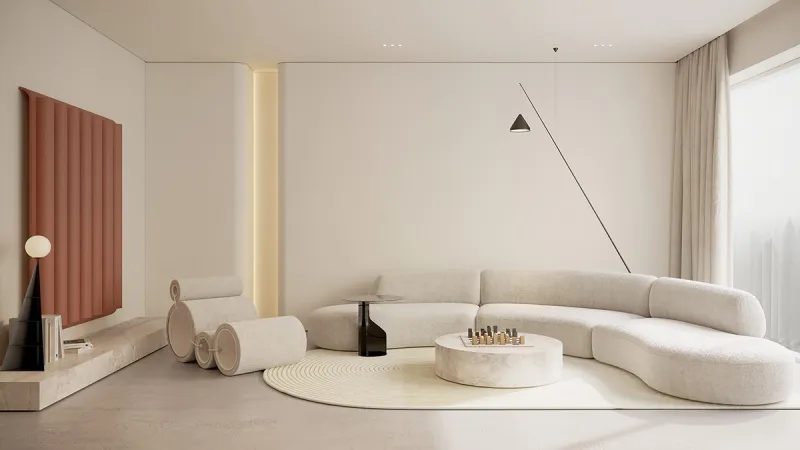
The Living Room: Texture Over Trend
This is your main stage, and the biggest mistake people make here is prioritizing visual style over sensory experience. Camp spaces feel good to be in, not just to photograph.
What to reach for:
- Wool or cotton throw blankets in earthy tones — forest green, rust, oatmeal. These aren't decorative; they're meant to be used.
- A wooden tray or low table that can hold a candle, a mug, and nothing else. Resist the urge to fill every surface.
- Woven baskets instead of plastic bins for storage. The texture matters more than you'd think.
- One piece of nature-based art: a topographic print, a botanical illustration, a photo of a trail you've actually hiked.
What to edit out: Anything that glows, buzzes, or demands attention when you're trying to rest. Your living room should have at least one corner where the phone isn't the focal point.
The Bedroom: Sleep Like You're Under the Stars
Camp sleeping is underrated. There's something about sleeping in a bunk or a tent that resets your relationship with rest — probably because the space is minimal and there's nothing to do except sleep.
You can approximate that energy at home.
- Layer your bedding with natural fibers. Linen and cotton breathe better and feel more grounded than synthetic blends.
- Keep a window cracked when the season allows. Fresh air is genuinely different from recirculated air, and your body knows it.
- Swap your bedside lamp for something warmer — a salt lamp, a low-wattage Edison bulb, or a simple candle holder. Bright overhead lighting before bed is one of the fastest ways to kill the camp-calm you've been building all day.
- Add a small wooden shelf for your current book, a glass of water, and that's it. No charging cables on the nightstand. Charge your phone in another room. This is the single highest-ROI change on this entire list.
The Kitchen: Make the Morning Ritual Count
Camp mornings have a rhythm. There's a sequence — wake, walk, warmth, food — that happens without urgency. You can build a version of that at home, and the kitchen is where it starts.
- Invest in a coffee or tea setup you actually enjoy using. A pour-over kettle, a French press, a cast iron tea pot — something that requires a little attention and slows the process down by about three minutes.
- Keep a wooden cutting board on the counter as a permanent fixture, not just a cooking tool. It softens the space visually and reminds you that real food happens here.
- Hang a small chalkboard or keep a notepad for the day's intentions — not a to-do list, just one or two words that set the tone. Slow. Present. Easy.
The Gear You Actually Wear
The camp aesthetic isn't just about your walls. It's about what you put on your body, and how that affects the way you move through your day.
Camp-inspired apparel — the kind that works whether you're making coffee at 7am or walking your dog at dusk — tends to share a few qualities: durable fabrics, relaxed fits, muted palettes, and details that feel earned rather than manufactured. A hoodie with a worn-in graphic. A crewneck that doesn't care what season it is. A hat that's been places.
When you wear this stuff daily, it does something subtle but real. It keeps you tethered to the version of yourself that slows down, looks up, and doesn't need to perform for anyone. That's not a small thing.
Odaka Camp's apparel line is built around exactly this idea — pieces that live in the space between camp and real life, because that space is where most of us actually are.
Seasonal Rituals: The Secret Layer
Decor and gear get you 70% of the way there. The rest is ritual.
The best camp experiences weren't just about the place — they were about the repeated practices that gave the days their shape. Morning flag, campfire after dinner, stargazing before lights-out. These rituals created a container that made everything feel intentional.
You can build your own, scaled to your life:
- Fall: A weekly Sunday walk with no destination, followed by something warm when you get home.
- Winter: A Friday night fire (candles count, a fireplace is a bonus) with no screens for two hours.
- Spring: Open every window on the first warm day and let the outside in, even briefly.
- Summer: Eat at least one meal a week outside, even if it's on a fire escape or a parking lot curb.
None of this costs much. All of it compounds. Over time, your home stops feeling like the place you return to after living your life, and starts feeling like part of the life itself.
That's the whole point. Camp was never really about the location. It was about how you paid attention while you were there. Bring that home, and the pines follow.